
Credit · November 1, 2026
What If I Have a Bad Credit Score?
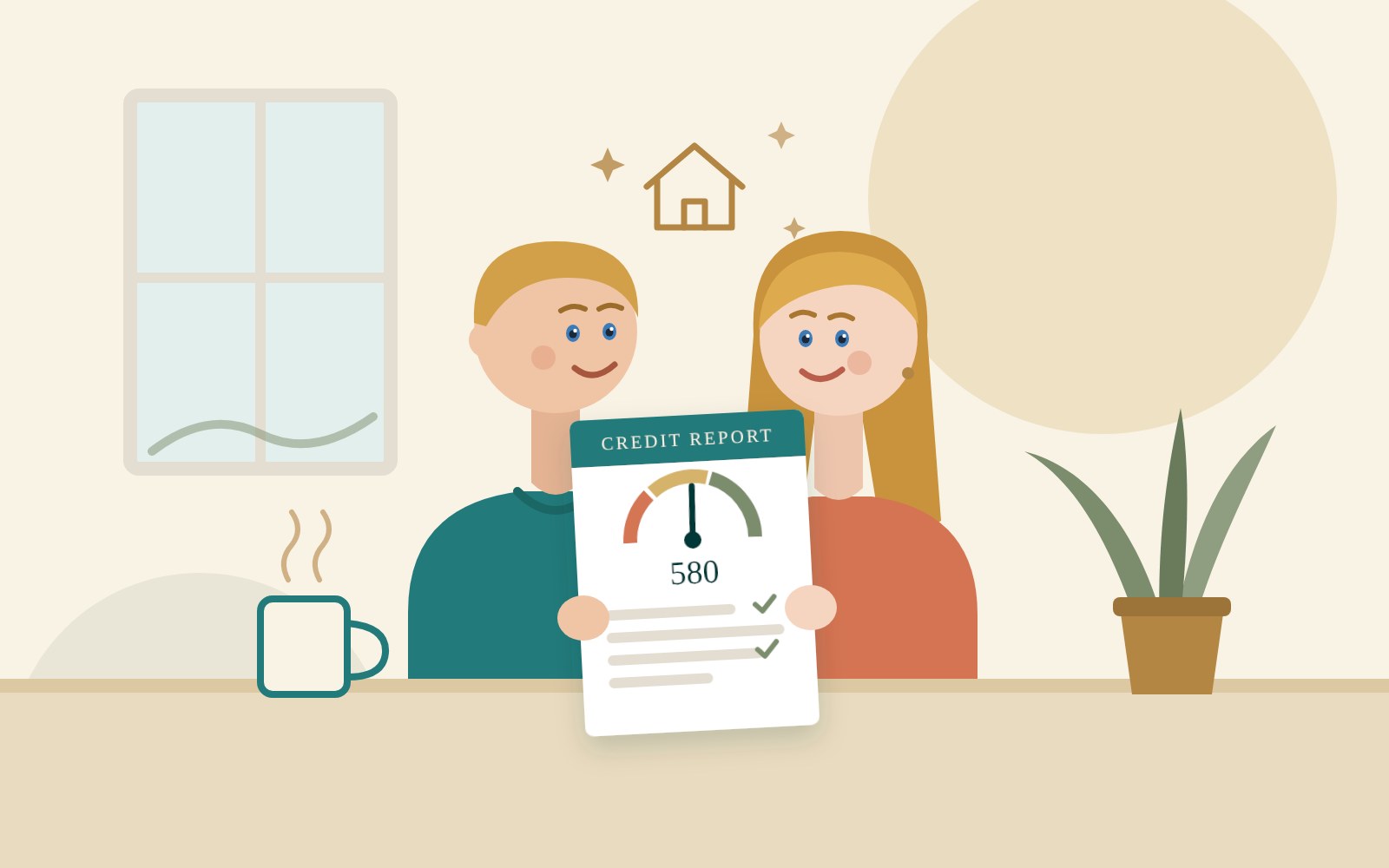
A 580 credit score does not mean you can't buy a home. I hear some version of this almost every week. People reach out by email, phone, or text convinced their credit has closed the door on homeownership, and they're usually surprised to learn how many paths are still open.
The Biggest Myth About Bad Credit
Most of the people who reach out to me with bad credit believe two things. First, that a score in the 580 or 600 range disqualifies them. Second, that they have to figure out the fix on their own before they can even talk to a lender.
Neither one is true. There are many loan programs and strategies designed for borrowers in exactly this position. Some of what hurts a score can be cleaned up quickly, and some of it takes time. Either way, the first step is understanding what you're actually working with.
There are limits. Some things can't be overcome right away, and lenders and loan programs set rules I don't control. But my job is to find the path that fits your situation, and to be honest with you about what that path looks like.
How I Look at a Credit Report
Think Like the Lender First
When I pull up a credit report, the first question I ask is simple: can this person repay a mortgage? I'm a mortgage broker, so I work with a wide network of lenders, and each one looks at that question a little differently. A lender wants to see that you can handle the payment, not that your past was perfect.
Often a client's credit reflects a rough stretch. Maybe there was a divorce, a job loss, a medical bill that spiraled, or a few years where nobody was paying close attention to what was happening with their accounts. If enough time has passed and there's a clear recovery since then, we can build a story an underwriter can understand.
What I Check, in Order
I look at these things in roughly this order:
- The credit score itself, and which loan programs it opens or closes
- Any collections or charge-offs, and how recent they are
- Credit card utilization, meaning how much of each limit is being used
- Any tax debt, alimony, child support, or government debts that aren't showing on the report
- The loan product the client is aiming for
That last point matters more than people expect. FHA, VA, and USDA loans each have their own standards, and government loans tend to be stricter about things like unpaid taxes or federal debts. The same credit report can look very different depending on which door you're knocking on.
Sometimes Waiting Is the Right Call
Once I understand the full picture, I'll tell a client whether they're better off buying now or giving themselves six months or more to move further from the events that hurt their credit. Sometimes the answer is to move forward immediately. Sometimes the best strategy is patience, and I'd rather tell someone that than rush them into a loan that doesn't serve them.
When we do get the credit where it needs to be, I run the file through our system and pre-underwrite it so I know where it stands before the client finds a house. I also make sure clients understand what happens if they miss a mortgage payment, and that the home they're considering fits their budget long term.
Real Stories From Our Clients
A Client With 17 Collections
A few years ago, a client came to me with 17 collections on her credit report. She had already been through the wringer with credit repair companies that took her money and delivered very little. By the time she reached out, she was discouraged and didn't believe homeownership was realistic.
We got her score up to just over 580, which was enough to open a path for her. Working with a strong real estate agent, we moved through the process, and within about 90 to 120 days she was in her home. She bought it with her mom. She has a pool and a home behind a golf course, which had been her dream for a long time.
She called me crying. I still think about that call. She's been in that house for about four years now and still loves it.
A Couple in Their 60s
Another client was a husband and wife in their 60s. They earned good money, but they didn't really understand how credit worked. Their score had dropped to around 470, and they assumed that was the end of their homebuying plans.
Last year we brought their score up to almost 600. They're now living in the home they had always wanted. This story is a good reminder that income alone doesn't build credit. Understanding how the system works can make a big difference, at any age.
Watch Out for Credit Repair Companies
I want to be clear about something before you spend a dime. There are some excellent credit repair companies out there. I refer clients to a few of them regularly, and I stay involved while they work with those companies so the strategy stays on track.
There are also plenty of companies that prey on people who are struggling. Some charge $2,000, $4,000, or even $8,000 upfront, and some take that money and deliver very little. If you're considering a credit repair company, look for these warning signs:
- Large upfront fees before any work is done
- Promises of guaranteed results or quick score jumps
- Pressure to act immediately
- No clear explanation of what they will actually do
Make sure you're working with people who have your back and who will be honest with you about what's possible.
What You Can Do Right Now
Even if you're not ready to buy today, there are steps you can take while you wait. Depending on your situation, we might talk about:
- Becoming an authorized user on a responsible credit card account
- Lowering credit card balances to reduce utilization
- Building savings and reserves so you have a cushion in the bank
- Keeping every payment on time, every month
- Understanding exactly which loan programs fit your profile
If you're eager to buy now, I'll still walk you through the trade-offs. Lenders and loan programs have firm rules, and I won't pretend otherwise. But I'll make sure you see the full picture, including the pros and cons of moving forward today versus waiting, so you can decide with confidence.
Let's Talk About Your Options
If you've been told that bad credit means you can't own a home, I'd love to give you a second opinion. Every client's situation is different, and some of the best outcomes I've seen started with someone who was sure the answer was no.
Reach out to Summera at Shaikh It Up Mortgages by email, phone, or text to talk through your credit, your timeline, and your goals.

Summera Shaikh
Loan Officer · NMLS #1990428 · Guiding Texas families home